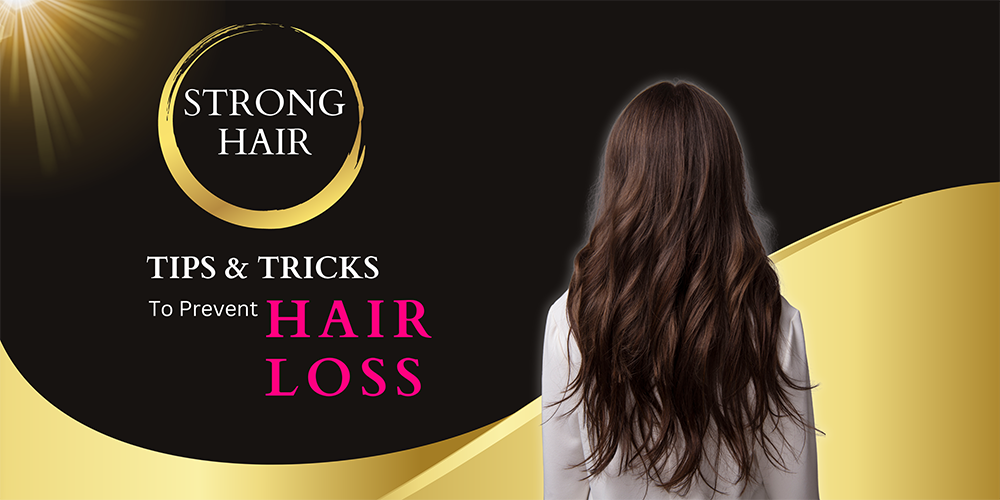
Losing a few strands of hair in your brush or shower drain is completely normal – most people shed somewhere between 50 and 100 hairs a day. But when shedding starts to feel like more than that, or you notice thinning at the part or a receding hairline, it’s natural to want answers. The good news is that a lot of hair loss is preventable, or at least manageable, once you understand what’s driving it. Here are 14 practical tips and tricks to help you hold on to the hair you have and support healthier growth going forward.
1. Be Gentle When Your Hair Is Wet
Wet hair is more fragile and stretches more easily than dry hair, which makes it more prone to breakage. Avoid vigorous towel-drying or brushing right after a shower. Instead, blot your hair with a soft towel and use a wide-tooth comb to gently work out tangles, starting from the ends and working up to the roots.
2. Cut Back on Heat Styling
Blow dryers, straighteners, and curling irons can weaken the hair shaft over time, leading to breakage that looks and feels like hair loss. When you do use heat tools, keep them on a lower setting and always use a heat-protectant spray beforehand.
3. Avoid Tight Hairstyles
Tight ponytails, braids, and buns put constant tension on the hair follicles, which can lead to a condition called traction alopecia. Over time, this repeated pulling can cause permanent thinning along the hairline. Give your hair a break by wearing looser styles most days.
4. Choose the Right Shampoo for Your Scalp
A healthy scalp is the foundation for healthy hair growth. Harsh, sulfate-heavy shampoos can strip natural oils and irritate the scalp, while the right formula can help strengthen hair from the root. Alsoft’s Biotin Shampoo is formulated to support the scalp while delivering biotin directly to your strands.
5. Don’t Skip Scalp Massages
Massaging your scalp for a few minutes a day can help increase blood flow to the hair follicles, which may support healthier growth over time. It’s also a simple way to relax and relieve tension, which can indirectly help with stress-related shedding.
6. Watch Your Protein Intake
Hair is made almost entirely of a protein called keratin, so a diet that’s too low in protein can show up as weaker, thinner hair. Make sure your meals include enough protein from sources like eggs, lentils, fish, or lean meat.
7. Don’t Underestimate Stress
High stress levels can push hair follicles into a resting phase prematurely, leading to a type of temporary shedding called telogen effluvium. While you can’t eliminate stress entirely, building in regular downtime, exercise, or mindfulness practices can help reduce its impact on your hair.
8. Get Enough Sleep
Your body repairs and regenerates tissue, including hair follicles, while you sleep. Chronic sleep deprivation can disrupt this process and contribute to hair thinning over time. Aim for seven to nine hours a night where possible.
9. Limit Chemical Treatments
Frequent coloring, perming, or relaxing treatments can weaken the hair structure and irritate the scalp. If you do color or chemically treat your hair, try to space out treatments and use products designed to protect chemically treated hair.
10. Check Your Iron and Vitamin D Levels
Low iron and vitamin D are two of the most common nutritional causes of hair shedding, especially in women. If your diet is limited or you suspect a deficiency, a simple blood test can confirm it, and your doctor can recommend an appropriate supplement.
11. Avoid Over-Washing (or Under-Washing)
Washing too often can strip the scalp of natural oils, while washing too rarely can let oil and product buildup clog follicles. Most people do well washing every two to three days, but this can vary depending on your scalp type and lifestyle.
12. Protect Your Hair From the Sun
Just like skin, hair and scalp can be damaged by prolonged sun exposure, which can leave strands dry, brittle, and more prone to breaking. Wearing a hat or using a leave-in product with UV protection can help, especially during long days outdoors.
13. Quit Smoking If You Can
Smoking has been linked to hair loss because it restricts blood flow to the scalp and introduces toxins that can damage hair follicles. Cutting back or quitting can benefit your hair along with the rest of your health.
14. Know When to See a Dermatologist
If you’re noticing sudden or patchy hair loss, a receding hairline that’s progressing quickly, or shedding that doesn’t improve with lifestyle changes, it’s worth speaking to a dermatologist. Some causes of hair loss, like hormonal imbalances or autoimmune conditions, need a tailored treatment plan beyond at-home care.
The Takeaway
Hair loss can have many different causes, from everyday habits to underlying health conditions, which means there’s rarely a single fix that works for everyone. Start with the basics – gentle handling, a balanced diet, good sleep, and a scalp-friendly routine – and give any changes a few months to show results, since hair growth is a slow process. If shedding continues or worsens despite your best efforts, don’t hesitate to get a professional opinion.